
Introduction
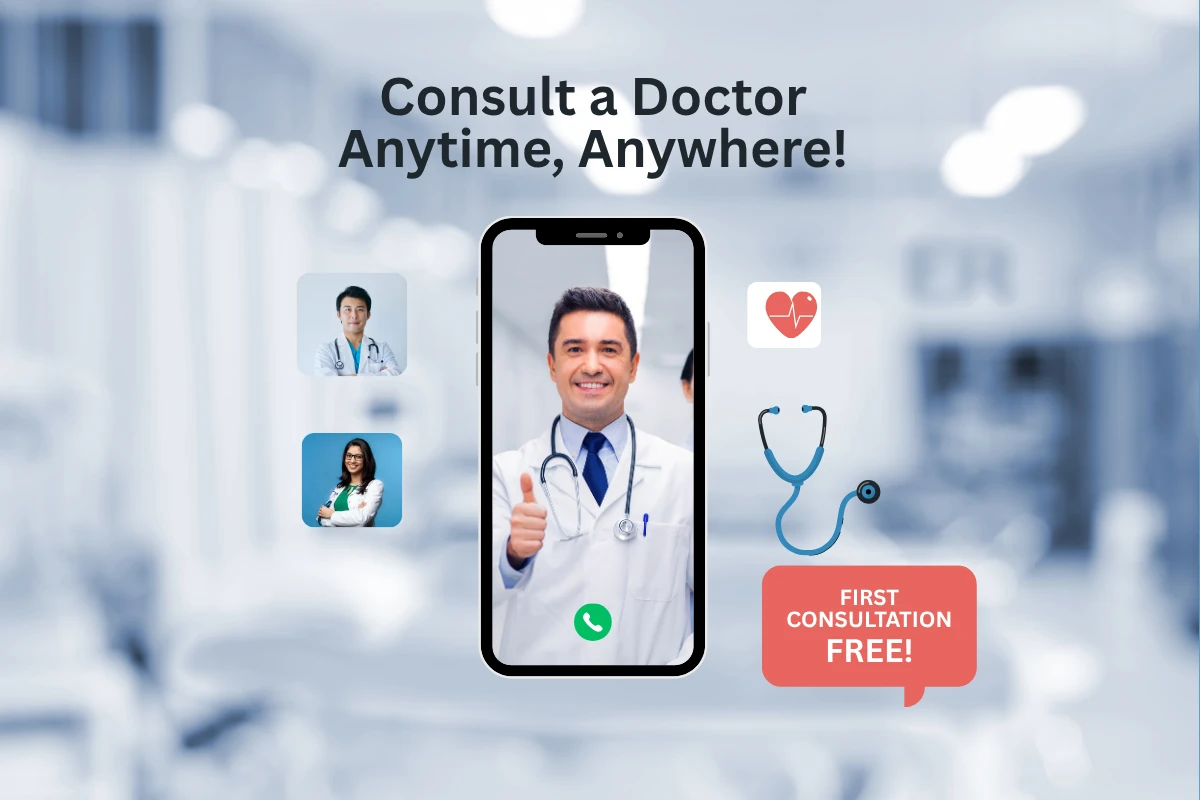
In recent years, telemedicine has evolved from a convenience-driven innovation to a core pillar of modern healthcare systems. As we move into 2026, the adoption of telemedicine is accelerating globally, driven by the need for accessible, cost-effective, and efficient healthcare delivery.
Healthcare providers are under immense pressure to serve growing populations, reduce operational costs, and improve patient outcomes. Telemedicine addresses all these challenges by enabling remote consultations, real-time monitoring, and AI-powered diagnostics.
The COVID-19 pandemic acted as a catalyst, but the real transformation is happening now—where telemedicine is not just an alternative but a preferred mode of care delivery. From rural healthcare access to urban hospital optimization, telemedicine is redefining how care is delivered, experienced, and managed.
What is Telemedicine?
Telemedicine refers to the use of digital communication technologies to provide healthcare services remotely. It allows patients to consult with healthcare providers without physically visiting a hospital or clinic.
These services can be delivered through:
- Video consultations
- Mobile health applications
- Remote monitoring devices
- Secure messaging platforms
Telemedicine is a subset of digital health and is often integrated with electronic health records (EHR), AI systems, and cloud platforms to provide a seamless healthcare experience.
Why Telemedicine is Growing Rapidly in 2026
📈 Increasing Demand for Accessible Healthcare
Millions of people worldwide still lack access to quality healthcare due to geographical and infrastructural barriers. Telemedicine bridges this gap by connecting patients with doctors regardless of location.
💰 Rising Healthcare Costs
Traditional healthcare systems are expensive to maintain. Telemedicine reduces infrastructure costs, administrative overhead, and unnecessary hospital visits.
⏱ Need for Time Efficiency
Patients no longer want to spend hours traveling or waiting in queues. Telemedicine provides instant access to healthcare professionals.
🌐 Digital Transformation in Healthcare
The healthcare industry is rapidly adopting digital technologies such as AI, cloud computing, and IoT, making telemedicine more powerful and scalable.
Key Benefits of Telemedicine
🏥 1. Improved Accessibility
Telemedicine allows patients in remote or underserved areas to access specialist care without traveling long distances.
💸 2. Cost Reduction
Healthcare providers can reduce operational costs, while patients save on travel and consultation expenses.
⏳ 3. Time Efficiency
Appointments can be scheduled instantly, and consultations can happen within minutes.
❤️ 4. Better Chronic Disease Management
Patients with chronic conditions such as diabetes, hypertension, and heart disease can be monitored remotely.
📊 5. Enhanced Patient Engagement
Digital platforms enable continuous communication between patients and providers.
Technologies Powering Telemedicine
🤖 Artificial Intelligence (AI)
AI plays a crucial role in telemedicine by enabling:
- Symptom checking
- Automated diagnosis
- Chatbots for patient interaction
- Clinical decision support
AI helps doctors make faster and more accurate decisions.
☁️ Cloud Computing
Cloud platforms provide:
- Secure data storage
- Scalability
- Real-time access to patient records
This ensures seamless communication between healthcare providers.
📡 Internet of Things (IoT)
IoT devices such as wearable health trackers enable:
- Real-time monitoring
- Continuous data collection
- Early detection of health issues
📱 Mobile Health (mHealth) Applications
Mobile apps allow patients to:
- Book appointments
- Track health metrics
- Communicate with doctors
Real-World Use Cases of Telemedicine
👨⚕️ 1. Virtual Consultations
Patients can consult doctors via video calls for routine checkups and minor illnesses.
❤️ 2. Remote Patient Monitoring
Patients with chronic conditions are monitored using wearable devices.
🧠 3. Mental Health Services
Telemedicine has significantly improved access to mental health professionals.
🏥 4. Post-Surgery Follow-ups
Patients can recover at home while doctors monitor their progress remotely.
🚑 5. Emergency Triage
Telemedicine platforms can provide initial assessment before hospital admission.
Case Study: Telemedicine Success Story
A multi-specialty hospital implemented a telemedicine platform for chronic disease management.
Results:
- 35% reduction in hospital visits
- 25% improvement in treatment adherence
- 20% reduction in operational costs
- Increased patient satisfaction
This demonstrates how telemedicine can improve both clinical and business outcomes.
Challenges in Telemedicine
🔐 Data Privacy & Security
Handling sensitive patient data requires robust cybersecurity measures.
⚖️ Regulatory Compliance
Healthcare regulations vary by region, making compliance complex.
🌐 Internet Dependency
Telemedicine relies heavily on stable internet connectivity.
👨⚕️ Technology Adoption
Some patients and providers may face difficulty adapting to new technologies.
🤖 Lack of Human Touch
Virtual consultations may lack the personal connection of in-person visits.
AI Integration in Telemedicine
AI is the future of telemedicine. It enhances the capabilities of virtual healthcare platforms.
Key Applications:
- AI-powered virtual assistants
- Predictive analytics for patient risk
- Automated medical documentation
- Real-time clinical decision support
Example: AI Chatbot
A telemedicine platform implemented an AI chatbot for patient triage.
Outcome:
- Reduced doctor workload by 30%
- Faster patient response time
- Improved efficiency
Future Trends in Telemedicine (2026 and Beyond)
🚀 AI-Powered Virtual Doctors
AI systems will assist or even handle initial consultations.
📡 5G-Enabled Healthcare
Faster internet speeds will improve video quality and real-time monitoring.
🧬 Personalized Medicine
AI will analyze patient data to provide customized treatments.
🕶 AR/VR in Telemedicine
Virtual reality will enable immersive consultations and remote surgeries.
🏠 Hospital-at-Home Models
Patients will receive hospital-level care at home using telemedicine.
How to Implement Telemedicine in Healthcare Organizations
Step 1: Define Use Cases
Identify areas where telemedicine can add value.
Step 2: Choose Technology Stack
Select AI, cloud, and communication tools.
Step 3: Ensure Compliance
Follow healthcare regulations.
Step 4: Train Staff
Educate healthcare providers.
Step 5: Monitor Performance
Continuously optimize the system.
Business Opportunities in Telemedicine
Telemedicine is not just a healthcare solution—it is a massive business opportunity.
Opportunities include:
- Telemedicine platforms
- Remote monitoring solutions
- AI healthcare tools
- Healthcare SaaS products
Conclusion
Telemedicine in 2026 is transforming healthcare delivery by making it more accessible, efficient, and patient-centric. With the integration of AI, cloud computing, and IoT, telemedicine is becoming smarter and more scalable than ever before.
Organizations that invest in telemedicine today will lead the future of healthcare. Whether you are a healthcare provider, startup, or technology company, now is the time to embrace virtual healthcare solutions.
1 thought on “Telemedicine in 2026: The Complete Guide to Virtual Healthcare, AI Integration & Future Trends”